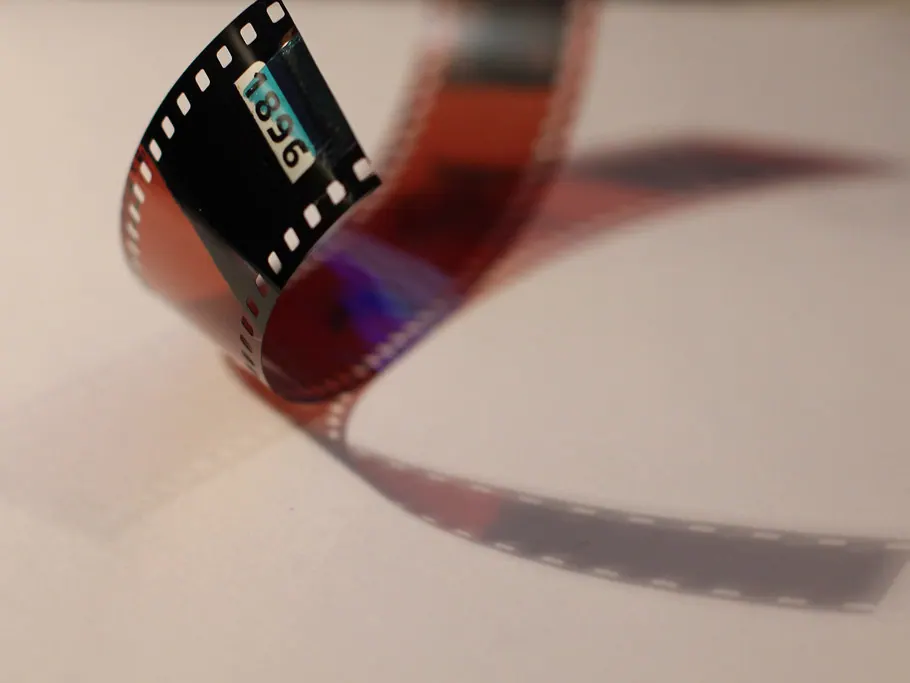
Found an old roll in a drawer, or shooting a quirky format like 110 or 127? Here's where you can develop it — and how to do it yourself.
110 film
110 is still made (by Lomography) and most mail-in labs that do C-41 will process it. The challenge is scanning: ask the lab whether they scan 110 and at what resolution. At home, 110 loads onto many adjustable reels at the 16mm setting.
127 film
127 is 46mm wide, between 35mm and 120. Labs that hand-process 120 can usually process 127; at home, set an adjustable reel to the 127 width and process it like 120.
620 film
620 is the same film as 120 on a thinner spool, so any 120 lab can process it.
8mm and Super 8
Where can you develop 8mm film? Look for specialist motion-picture labs. Modern Super 8 colour stock (Vision3) is ECN-2; old Kodachrome movie film can only be processed as black & white today.
Expired and found film
- Tell the lab the film's approximate age — they can adjust development.
- Very old film is best processed as black & white by a specialist, even if it's colour.
- Kodachrome can no longer be processed in colour.
Develop it yourself
For black & white, a slow developer like HC-110 dilution B or Rodinal stand development handles unknown film well. Read how to develop film at home.
Looking for a 110 camera? Try the Pentax Auto 110 or Minolta 110 Zoom.
Relics Film Lab earns from qualifying Amazon purchases made through links in this guide.